Can Animation Explain Complex Services? Yes.
 by
by 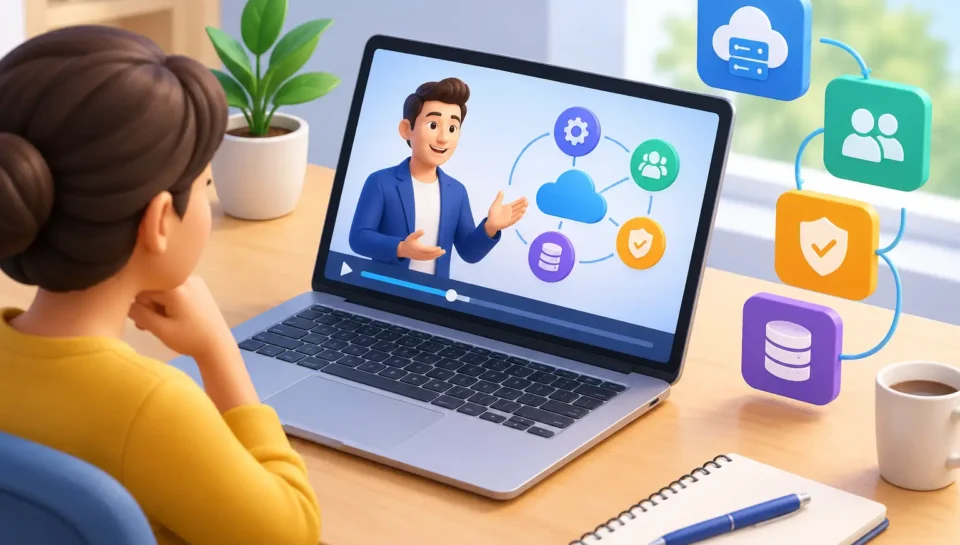
A brilliant service can still lose the sale in the first ten seconds if people cannot quickly see what it does, who it helps, or why it is worth paying for. So, can animation explain complex services? Absolutely – when it is built around the customer’s problem, not a wall of industry jargon.
For businesses selling expertise rather than a simple product, clarity is a commercial advantage. Whether you provide healthcare support, specialist training, compliance, consultancy, software, financial services or technical installation, animation can turn a complicated proposition into a story people understand and remember.
Why complex services are difficult to sell
Services are often invisible. A potential customer cannot pick up your process, test your expertise on a shelf, or instantly compare the quality of your delivery. They have to trust that you understand their issue and can produce a result.
That is where many websites, presentations and social posts go wrong. They begin with internal terminology, long explanations and a list of features. The audience is left doing the hard work: working out whether the service applies to them at all.
Animation changes the order of that conversation. It can show the problem first, introduce the consequence of doing nothing, then demonstrate how your service makes life easier. Instead of asking viewers to imagine a complex process, you let them see it unfold.
A short animated explainer is not about making a serious service look childish. It is about removing friction. Done well, it gives busy people a reason to keep watching, a clear route through the information and a stronger sense of confidence before they make contact.
Can animation explain complex services without oversimplifying them?
Yes, but only when the goal is clarity rather than cramming every detail into one video. Your audience does not need a full operational manual before they book a call. They need enough understanding to recognise the value, trust the approach and take the next step.
Think of an accountancy firm helping directors manage tax planning. The full service may involve changing regulations, forecasts, deadlines and detailed financial evidence. An animation does not need to teach tax law. It can show the pressure of uncertain cash flow, explain how proactive planning creates visibility, and make the outcome tangible: fewer surprises, better decisions and more control.
The same applies to a training provider, a clinical service or a technology company. Visuals can simplify the journey without making false promises. A process map can show what happens at each stage. Animated icons can distinguish audiences, packages or outcomes. On-screen text can reinforce the one phrase that needs to stick.
The trade-off is simple. If you make the animation too broad, it may sound generic. If you make it too detailed, viewers will switch off before the message lands. The answer is usually a series of focused assets: one main explainer for the core proposition, then shorter videos for individual services, objections or customer groups.
What animation makes easier to understand
Animation is especially effective when your service includes a process, an abstract benefit or a situation that is difficult to film. It gives you control over the message, the pace and the visual emphasis.
A recruitment business can illustrate the journey from vacancy to successful placement. A cybersecurity provider can make digital risks visible without relying on stock footage of hooded hackers. A charity can explain where donations go and what changes because of them. A facilities company can show how planned maintenance prevents expensive disruption.
It also works when your audience needs reassurance. Complex services often come with perceived risk: cost, compliance, disruption, privacy or fear of getting it wrong. Animation can calmly answer the questions sitting beneath the enquiry: What will happen? How long will it take? Will this affect my team? What result can I expect?
That is why animated content earns its place beyond the homepage. It can support sales presentations, exhibition screens, staff inductions, proposal documents, social campaigns and follow-up emails. One strong concept can become several useful marketing assets rather than one expensive video that is posted once and forgotten.
Start with the customer’s confusion, not your service list
The best explainer videos are built around a specific moment of uncertainty. Perhaps your prospect has outgrown a manual process. Perhaps they are wasting money on the wrong advertising. Perhaps they know they need help but cannot tell one provider from another.
Start there. Name the problem in plain English. Show what it costs in time, missed opportunities or stress. Then position your service as the practical route forward.
This approach matters because buyers rarely search for your internal terminology. They search for an outcome. They want more bookings, clearer reporting, safer systems, trained staff, fewer complaints or a better customer experience. Animation should connect your method to that outcome without pretending results happen by magic.
A useful script often follows a natural progression: this is the issue, this is why it matters, this is how we help, and this is what happens next. It sounds straightforward because it is. Clarity beats cleverness when you are asking someone to invest in a service they may not fully understand yet.
The ingredients of an animation that converts
A polished look helps, but good design alone will not carry a weak message. Conversion-focused animation needs a strong commercial foundation.
First, settle on one audience and one job for the video. A video aimed at operations managers will not speak in the same way as one for parents, patients or local business owners. Trying to address everyone often produces a message that moves no one.
Next, make the opening count. Do not spend the first fifteen seconds on your logo, company history or vague claims about excellence. Open with a recognisable pain point or a bold question. Give viewers a reason to care before introducing the brand.
Then use visuals that do real explanatory work. If the voiceover says a service is faster, show the reduction in steps. If it improves visibility, reveal the information previously hidden from view. If it protects a customer from risk, show the risk being identified and handled. Animation should add meaning, not merely decorate the narration.
Finally, finish with one clear action. That could be booking a conversation, requesting a quote, downloading a guide or speaking to the team. A complex service can require a longer sales journey, but the video itself should not leave the viewer wondering what to do next.
Where to use animation for the strongest return
Placement affects performance. A carefully produced explainer buried on an obscure web page will not do much for visibility. Put it where people are already deciding whether to trust you.
Your homepage is an obvious starting point, particularly if visitors regularly ask, “What exactly do you do?” A concise animation near the top can give them the answer before they bounce. Service pages benefit from shorter, more targeted versions that address a particular need or sector.
Social media needs a different cut. Many viewers will watch without sound and scroll quickly, so the opening visual and captions have to carry the message. For presentations and events, a larger-format animation can give your team a confident opening and make your service easier to discuss afterwards.
It depends on your buying cycle. If customers make quick decisions, a punchy thirty-second video may be enough to prompt an enquiry. If the purchase is considered, use animation to earn attention early, then support it with case studies, conversations and more detailed information further along the journey.
Avoid these common mistakes
The biggest mistake is trying to explain everything. A service with ten features does not need ten scenes. Prioritise the detail that changes a buying decision and leave deeper questions for a call, brochure or follow-up video.
Another mistake is making claims that visuals cannot support. Saying you are “the best” means very little. Showing a clear process, relevant expertise and a believable customer outcome is far more persuasive.
Avoid copying a trend simply because it is popular, too. Fast cuts, AI-generated imagery and flashy transitions can earn attention, but they must suit the audience and the subject. A playful style may work for a consumer brand; a healthcare, legal or compliance service may need calm authority. The right creative choice is the one that makes the message clearer and your business more credible.
At Visibility Consulting UK, we treat animation as more than a nice-looking extra. It is a sales tool built to help your audience understand your value faster, engage with your message and take action without enterprise-level production costs.
If your service is difficult to explain, do not respond by adding more paragraphs to the page. Find the moment your customer gets confused, turn it into a clear visual story, and give them a compelling reason to start the conversation.