
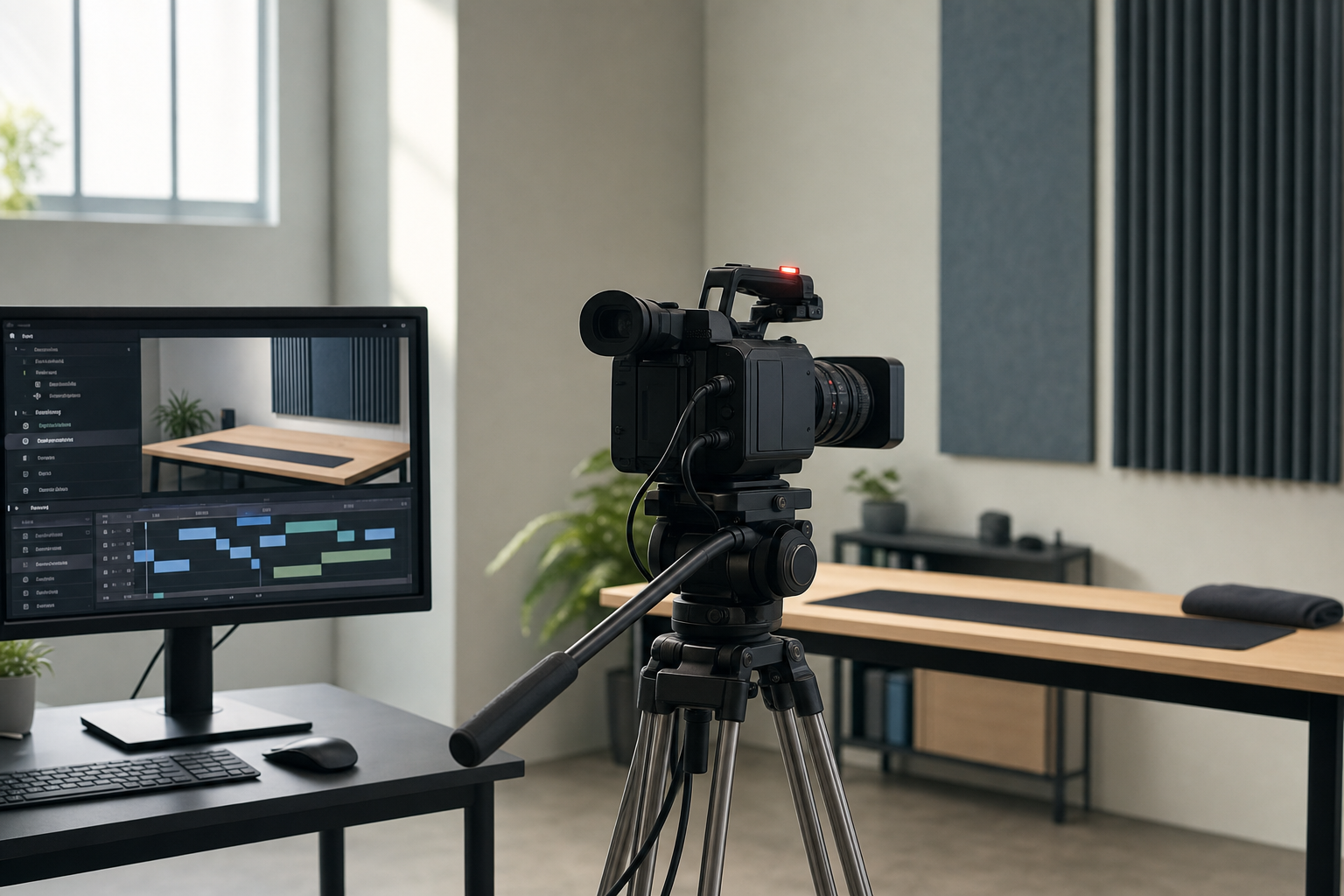
What makes a training video practical to use
Clear learning structure
We build the sequence around what the learner needs to understand and repeat.
Short modules where useful
Complex topics can be divided into focused parts that are easier to revisit.
Accuracy kept in view
Scripts, text and recap points are planned to support retention, not clutter.
Training works better when people can revisit it
If instructions are only passed on live and once, details get lost, timing varies and staff are left relying on memory. Training videos give people material they can return to when the task matters. We can scope step-by-step demonstrations, industrial process explanations, animated instruction, information videos and modular lessons, depending on the subject. When you work with us at Visibility Consulting uk, we start with the learning objective and the learner's current knowledge, so the structure reflects what they actually need to understand and do.
Break down complexity without losing accuracy
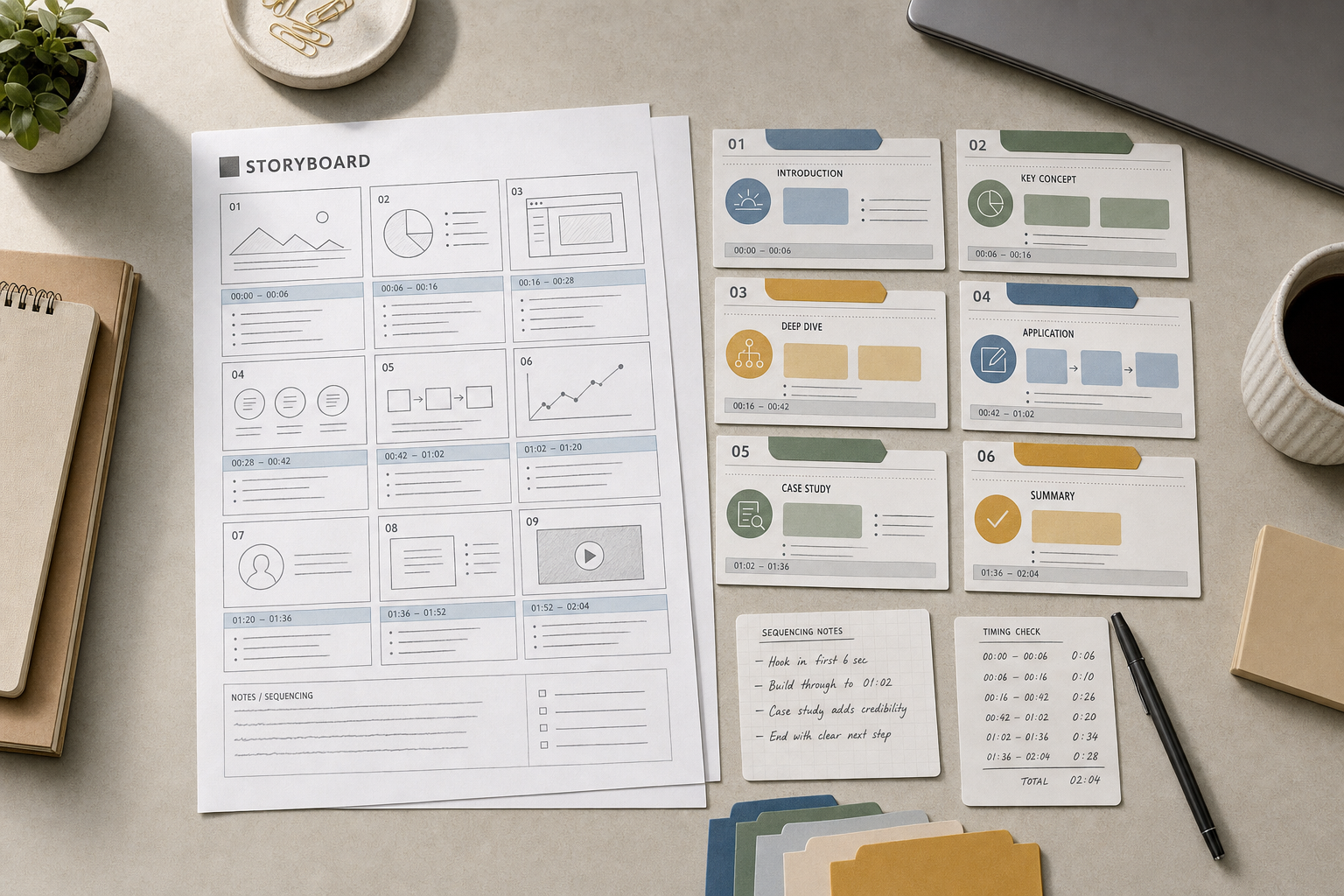
Longer does not always mean clearer. Through Visibility Consulting uk, we often divide a more complex subject into short, focused sections so each part can be understood and reviewed properly. Where the material needs a more substantial explanation, we can also scope longer formats. Accurate scripts, logical sequencing, readable on-screen text and clear recap points all matter here, because training only helps if the viewer can follow the process and retain the important steps afterwards.
Frequently asked questions
What length works best for training videos?
Many business information and training pieces sit well in the two to four minute range, because they stay focused and easier to revisit. If the subject is more involved, we can divide it into modules or plan a longer format. The best length depends on the task, not on fitting an arbitrary target.
Can a complex topic be split into shorter lessons?
Yes, and that is often the better choice. Breaking a subject into short sections can make it easier for staff to absorb each step, return to a specific point later and avoid information overload. We review the full process, then decide where natural module breaks should sit.
What do you need to create accurate training content?
We need the learning goal, the correct process, any source documents, the level of existing knowledge among the learners and the areas where mistakes commonly happen. That gives us the basis for a script and visual structure that explains the task clearly without skipping the details that matter in practice.